

The 2024 crypto market has seen impressive price hikes. This has piqued interest in converting crypto to cash. British investors are now seeking safe ways to cash out their digital assets.
Cryptocurrencies have evolved from niche investments to mainstream opportunities. As markets change, knowing how to turn crypto into cash is vital. This skill helps investors make the most of their digital holdings.
Looking at convert cryptocurrency into alongside most powerful cryptocurrency today gives a clearer view of the wider topic.
Today’s investors have many options to swap digital assets for traditional money. These include centralised exchanges and peer-to-peer platforms. New financial tech is making it easier to cash out cryptocurrencies.
This guide will show UK investors the best ways to turn crypto into cash. We’ll help you make smart choices about your digital wealth. You’ll learn to navigate the complex world of crypto liquidation with ease.
Understanding Cryptocurrency Conversion Basics
Crypto conversion turns digital assets into spendable cash. Bitcoin and Ethereum lead the market in liquidity and recognition. These digital currencies have become dynamic financial instruments.
Converting cryptocurrency involves critical considerations that impact financial outcomes. Market trends are crucial for determining the best timing and strategy for liquidation.
Crypto Transaction Mechanics
Converting crypto to cash involves multiple platforms and considerations. Here are key steps in the process:
- Select a reputable cryptocurrency exchange
- Verify your account and identity
- Choose the specific cryptocurrency for conversion
- Understand current market rates
Market Volatility Insights
Cryptocurrency markets are known for their rapid price fluctuations. Investors must watch market trends closely to get the most from their conversions.
| Factor | Impact |
|---|---|
| Global Economic Conditions | High Influence |
| Regulatory Changes | Moderate Impact |
| Technological Developments | Significant Variation |
Transaction Costs Breakdown
Transaction costs are vital in the crypto conversion process. Different platforms charge varying fees, which can affect your net returns.
- Exchange fees: 0% to 4% per transaction
- Network transaction fees
- Potential withdrawal charges
Investors should review these costs carefully. This ensures the best financial results when converting cryptocurrency to cash.
Popular Methods to Convert Cryptocurrency into Fiat Money
Converting cryptocurrency to traditional currency involves several strategic liquidation methods. These approaches suit different user needs and preferences. Understanding them is key to successful conversion.
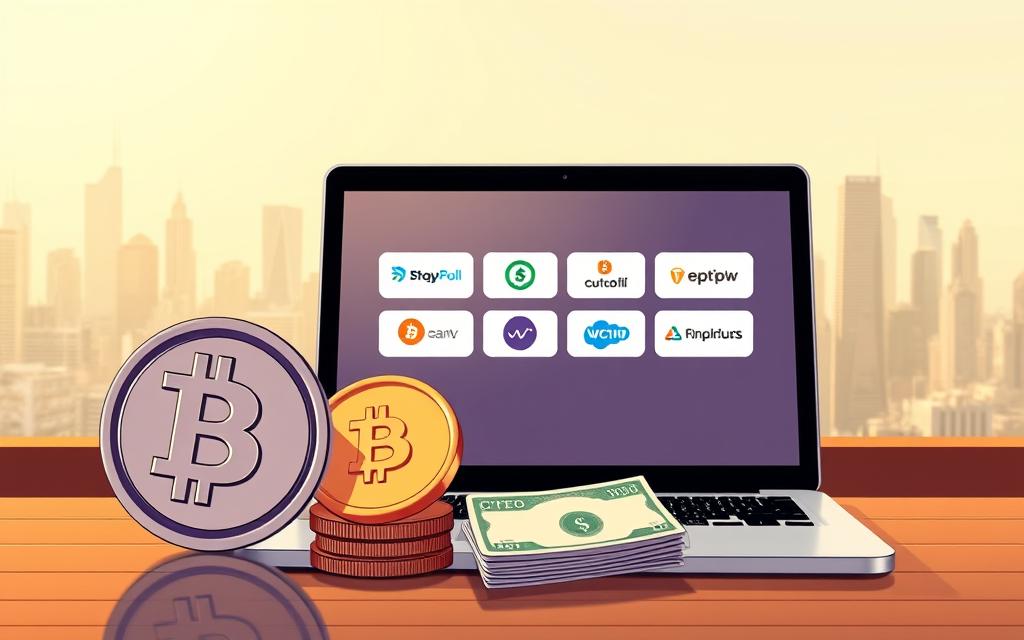
Investors can use multiple channels to turn digital assets into spendable cash. These include centralised exchanges, peer-to-peer platforms, crypto debit cards, and Bitcoin ATMs.
- Centralised cryptocurrency exchanges
- Peer-to-peer (P2P) trading platforms
- Crypto debit cards
- Bitcoin automated teller machines (ATMs)
Each method has its own pros and cons. Knowing these helps investors make smart choices about cashing out their digital assets.
| Conversion Method | Processing Speed | Average Transaction Fee |
|---|---|---|
| Centralised Exchanges | 1-3 business days | 0.5% – 1.5% |
| P2P Platforms | 30 minutes – 24 hours | 0.5% – 2% |
| Crypto Debit Cards | Instant | 1% – 3% |
| Bitcoin ATMs | Instant | 5% – 10% |
Choosing the right method depends on speed, fees, accessibility, and personal goals. Thorough research and understanding of each platform’s specific requirements are crucial for successful crypto to fiat conversion.
The cryptocurrency conversion landscape continues to evolve, offering investors increasingly sophisticated options for transforming digital assets into traditional currency.
How Do You Liquidate Cryptocurrency Through Exchanges
Crypto exchanges in the UK offer secure ways to convert digital assets into cash. Investors need reliable methods to turn their cryptocurrencies into traditional money efficiently and safely.
These exchanges provide straightforward solutions for transforming digital currencies into cash. The process involves several steps to protect your financial interests.
Centralised Exchange Options
UK investors can choose from several reputable platforms for secure liquidation:
- Coinbase
- Binance
- Kraken
- Gemini
Step-by-Step Exchange Process
- Create a verified account on a chosen crypto exchange
- Link your bank account or payment method
- Select the cryptocurrency you want to sell
- Enter the amount for liquidation
- Confirm the current exchange rate
- Complete the transaction
- Withdraw funds to your bank account
Security Considerations for Exchange Usage
Protecting your digital assets requires proactive security measures. Use two-factor authentication and hardware wallets for storage. Regularly update your account credentials to enhance security.
Always verify the exchange’s regulatory compliance and reputation before initiating any transactions.
UK crypto exchanges are improving their methods for converting digital assets into cash. The liquidation landscape continues to evolve, offering more sophisticated and secure options.
Using Crypto Debit Cards for Cash Access
Crypto debit cards have changed how UK residents access their digital assets. These tools turn cryptocurrency into instant cash. They bridge the gap between digital and traditional currencies.
- Instant conversion of cryptocurrency to spendable cash
- Worldwide acceptance similar to traditional debit cards
- Competitive cashback rewards
Let’s compare popular crypto debit cards in the UK:
| Card Provider | Cashback Range | CoinLedger Rating | Free ATM Withdrawals |
|---|---|---|---|
| Crypto.com | 0-8% | 9.4/10 | $200/month |
| Coinbase | 0.5% | 9.2/10 | Limited |
| Wirex | 0.5-8% | 9.1/10 | $250/month |
| BitPay | Variable | 9.0/10 | Varies |
When choosing a crypto debit card in the UK, look at key factors. Consider transaction fees, cashback potential, and ATM withdrawal limits. UK users often find these cards offer easy cash access.
Be aware of possible tax issues. Cashback rewards from crypto debit cards are usually taxed as capital gains. Keep accurate financial records to stay on top of this.
Peer-to-Peer (P2P) Trading Platforms
P2P crypto trading has changed how people swap digital currencies directly. These platforms allow users to conduct secure P2P transactions without traditional financial middlemen.
Crypto fans are choosing P2P trading platforms for their flexibility and unique perks. These exchanges offer users more control over their digital assets.
They break away from usual trading methods. Users enjoy lower fees and more payment options.
Key Benefits of P2P Trading
- Zero or low transaction fees
- Multiple payment method options
- Enhanced privacy and control
- Global transaction capabilities
- Direct negotiation with traders
Top P2P Platforms to Consider
Several leading platforms have emerged in P2P crypto trading. Each offers unique features for secure transactions.
These platforms aim to provide users with robust trading experiences. They streamline the process of P2P transactions.
Ensuring Safe P2P Transactions
Safety is crucial in P2P crypto trading. Traders should use platform-provided security features for protection.
- Two-factor authentication
- Escrow services
- Reputation systems
- KYC/AML verification
Pro tip: Always check your trading partner’s reputation. Start with smaller transactions to lower potential risks.
Bitcoin ATMs and Physical Conversion Methods
Bitcoin ATMs in the UK offer a hands-on way to convert crypto to cash. These machines have become more common, with over 40,000 worldwide as of October 2023. However, their fees are quite steep, ranging from 5% to 15%.
Most Bitcoin ATMs have daily withdrawal limits between £500 and £3,000. Users can increase these limits by verifying their identity with government-issued ID. This step also boosts transaction security for physical crypto conversion.
When using Bitcoin ATMs in the UK, be mindful of the costs. Transaction fees can take a big bite out of your withdrawal, usually between 5% to 10%. While these machines offer quick cash, they’re pricier than digital exchanges.
Bitcoin ATMs are popping up in more places like shopping centres and convenience stores. This makes it easier to convert crypto to cash. Despite higher fees, some people prefer this tangible approach to crypto transactions.


 By
By